
Post-Harvest Management: Why the First 30 Days Matter Most.
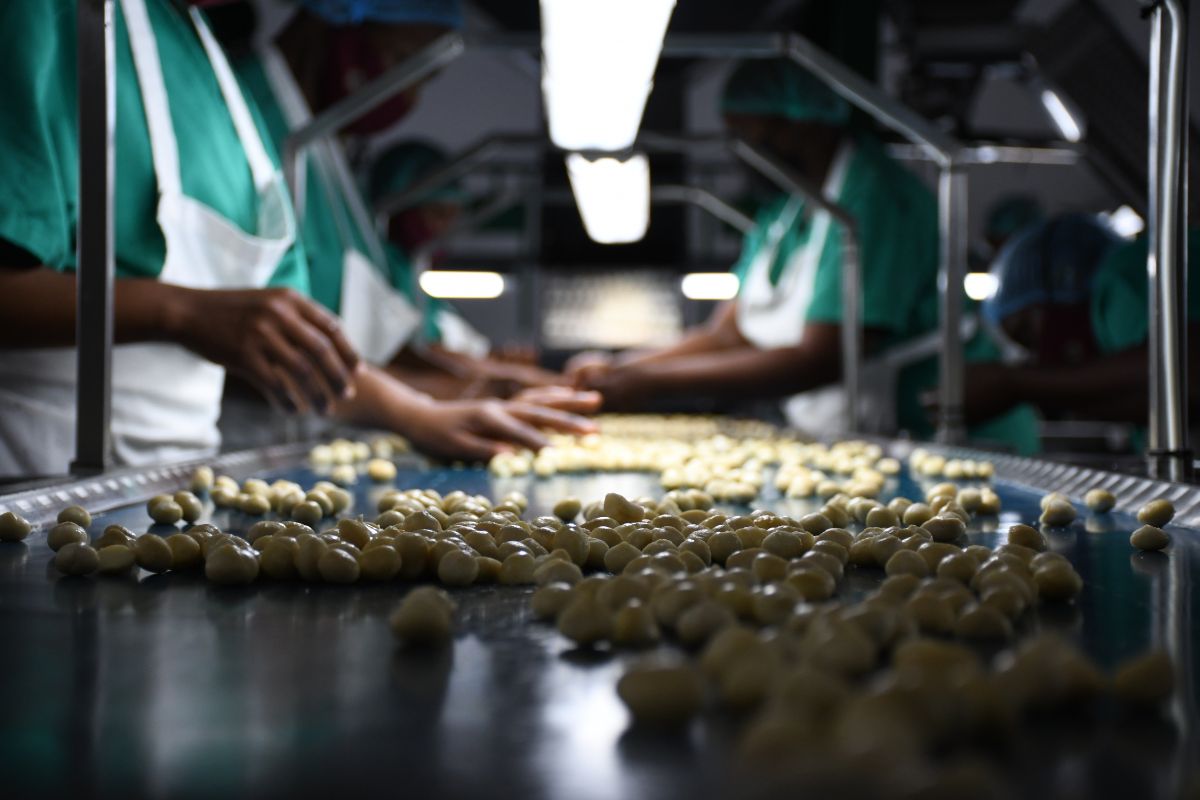
As major agricultural commodities across Africa enter harvest, storage, and export cycles, the decisions made immediately after harvest carry significant long-term consequences. For producers, aggregators, exporters, and supply chain partners, the first 30 days post-harvest represent a critical and often irreversible window.
This is the period when commodity quality is either protected or compromised. Moisture levels, temperature, oxygen exposure, handling practices, and storage conditions begin shaping the final value, safety, and marketability of the crop from the moment it leaves the field. Once biological or physical degradation begins, the damage cannot always be corrected through later processing, sorting, or logistics.
For this reason, effective post-harvest management goes beyond being simply a storage consideration.
The First 30 Days: An Irreversible Quality Window
The post-harvest period begins with vulnerability. After harvest, commodities remain biologically active and highly sensitive to their surrounding environment. Moisture, heat, oxygen, and poor aeration can quickly create the conditions for mold growth, insect activity, discoloration, rancidity, and mycotoxin development.
In many agricultural supply chains, these risks are intensified by practical challenges. Harvest timing may be affected by unpredictable weather, high humidity, or rainfall. Crops may be left in the field for longer than planned, heaped on the ground to dry, or stored temporarily before proper stabilization takes place. While these practices may be common, they can increase exposure to ground moisture, pests, and fungal contamination during the very period when the commodity is most at risk.
This is why the first 30 days are so important.
Once mold spores establish themselves, insects begin damaging the crop, or moisture levels remain too high for too long, the impact can become irreversible. The result may be reduced yield value, lower grading, food safety concerns, export rejection, or a significant loss of commercial opportunity.
In export markets where quality thresholds are enforced at the point of entry, a single rejected shipment can mean penalties, cancelled contracts, and lasting damage to buyer relationships that took years to establish.
Moisture Is the Trigger, but Quality Loss Has Many Forms
Moisture is often viewed as the primary post-harvest risk, and rightly so. Elevated moisture levels create favorable conditions for mold growth, insect activity, and mycotoxin development. However, moisture is not the only concern.
Quality loss can also occur through poor airflow, condensation, oxygen exposure, pest infestation, physical damage during handling, and inadequate separation from ground moisture. Together, these factors can affect the crop’s nutritional value, appearance, smell, shelf life, and suitability for processing or export.
For commodities such as grains, legumes, coffee, cocoa, nuts, and other high-value agricultural products, these risks can directly influence whether the commodity reaches its intended market at full value. A shipment may still appear viable at first glance, but hidden quality issues can emerge later during inspection, storage, or transit.
This is particularly important for export-oriented supply chains. Buyers and regulators are increasingly focused on consistency, traceability, food safety, and compliance with strict quality specifications. A commodity that is not stabilized early may struggle to meet these standards later.
The commercial consequences of falling short extend well beyond the value of a single consignment, affecting access to premium markets, long-term contract eligibility, and a producer’s standing with international buyers.
Export Success Begins Before the Commodity Leaves the Farm
Export success is often associated with logistics, documentation, port handling, and shipping timelines. While these are all critical, the foundation for export performance is laid much earlier: at the agricultural commodity storage stage.
A commodity that enters the supply chain with unstable moisture levels, early mold development, pest damage, or poor packaging is already at risk before it reaches the port. Extended shipping times, changing weather conditions, delays, and long transit periods can then amplify problems that began in the first month after harvest.
In this context, the first 30 days post-harvest becomes a commercial control point. Effective post-harvest management helps protect:
- Commodity grade and appearance
- Food safety and compliance
- Moisture stability
- Shelf life and storage life
- Export readiness
- Buyer confidence
- Final selling price
For exporters, the cost of early mismanagement can be far greater than the cost of proactive protection. Downgraded commodities may still be sold, but often at a reduced price, sometimes at a fraction of their potential market value. In more severe cases, shipments may be rejected entirely, resulting in financial loss, reputational damage, and supply chain disruption. Where relationships with buyers depend on consistent quality and compliance, a single failure can take multiple seasons to recover from.
JB Anderson’s Role in Protecting the Post-Harvest Window
JB Anderson supports producers, aggregators, and exporters with post-harvest solutions designed to help protect commodity quality from the earliest stages of storage and handling.
Through solutions such as silo bags, bunker ground covers, top covers, bale wraps, hermetic barrier bags, polypropylene bags, jute bags, and bulk bags, JB Anderson helps agricultural supply chains manage the practical risks that emerge after harvest. These solutions are designed to support safer storage and help maintain commodity value from farm to destination.
For large-scale grain storage, JB Anderson’s silo bags provide a flexible, cost-effective option for securing commodities during critical post-harvest periods. Their hermetic storage environment helps reduce oxygen availability, supporting the preservation of grain quality while limiting conditions that allow pests and biological degradation to thrive.
Where temporary bunkers are required, bunker ground covers help create a protective barrier between the commodity and the ground, reducing the risk of moisture ingress from below. For export-focused commodities such as coffee and cocoa, hermetic barrier solutions such as Freshlock help protect against humidity and pest exposure during storage and transit.
These solutions form part of a broader post-harvest management approach: one that recognizes that commodity protection must begin early, be fit for purpose, and remain consistent throughout the supply chain.
Protecting Value Before it Is Lost
JB Anderson provides post-harvest solutions designed to help agricultural supply chains protect commodities during this critical window, supporting safer storage and stronger market outcomes.
Contact JB Anderson to learn more about our post-harvest storage and packaging solutions designed to help safeguard agricultural commodities during the critical first 30 days and beyond.